



By Luz Eugenia Correa M. – Partner, Corporate & Risk Management
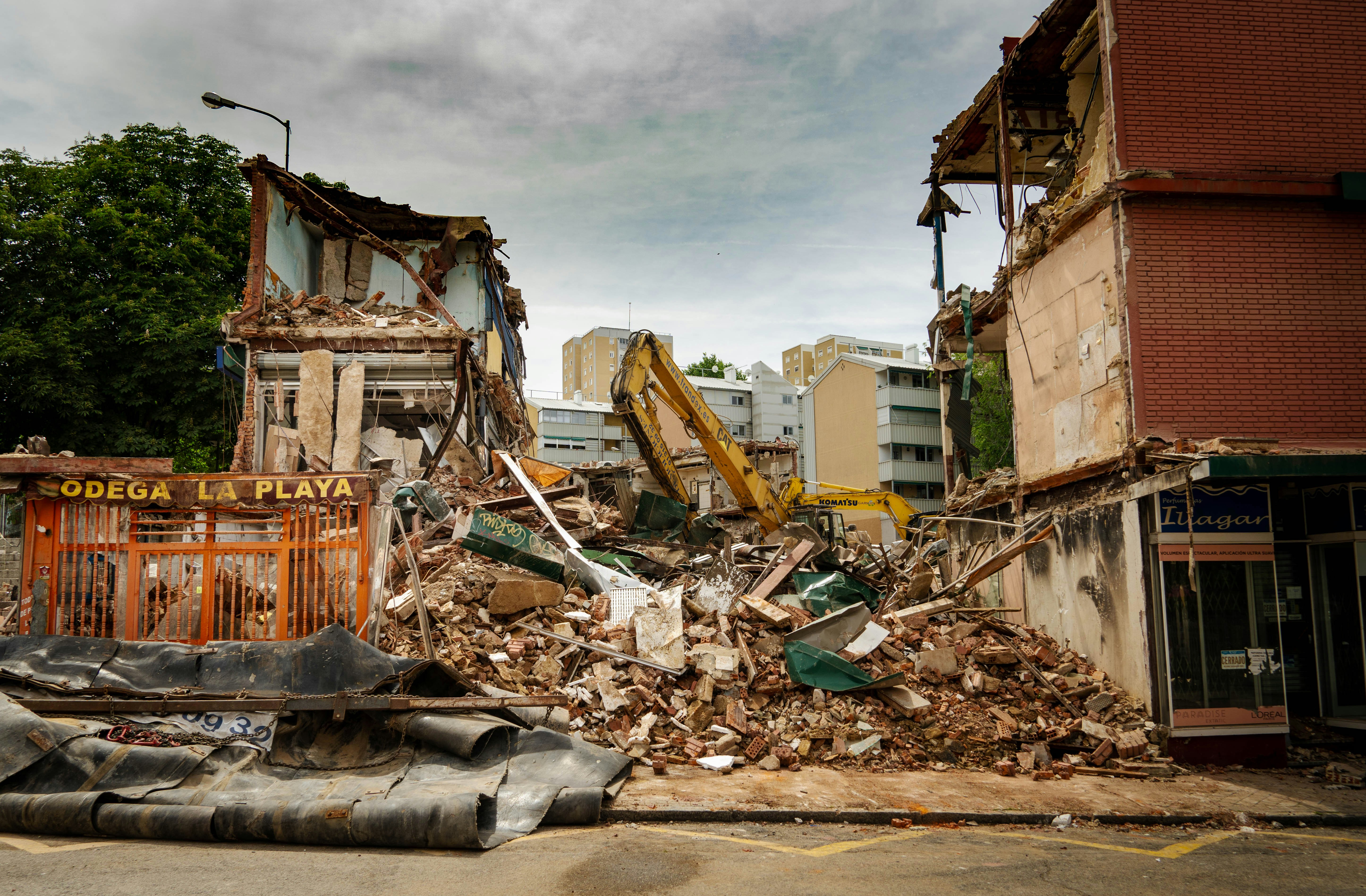
An earthquake does not only cause physical damage to a home, building, or business. It can also have a significant economic impact on homeowners, businesses, condominium associations, and families who must cover the costs of repairs, lost income, or even the reconstruction of their properties.
In these scenarios, proper risk management is essential. Having financial protection mechanisms in place and knowing how to activate them in a timely manner can make a significant difference in one’s ability to recover after an emergency.
At CID-Pro Consulting, through our Risk Management division, we analyze various strategies for addressing these events and how companies, condominium associations, and individuals can effectively identify, prevent, and manage risks—and promptly address the damage caused by situations resulting from natural disasters such as earthquakes.
Do you have property damage insurance? Here are the first steps
When a property is damaged by an earthquake and you have an insurance policy, it’s important to act in an organized manner and preserve all evidence that can verify both the occurrence of the incident and the extent of the damage.
Before filing a claim, we recommend:
- Report the incident to the insurer promptly—ideally within 3 days of the event—and keep the case number on file.
- Review the policy in detail, verifying its validity, coverage, deductibles, and exclusions.
- Document the damage through photographs, videos, reports, and technical inspections.
- Avoid making permanent repairs before the corresponding assessment is conducted, except for those that are essential to ensure people’s safety or prevent the damage from worsening.
- When necessary, obtain an independent technical assessment to determine the extent and amount of the damage, as well as any potential losses due to loss of earnings.
Proper documentation from the very beginning can be crucial for later substantiating the amount of compensation requested.
How Does an Insurance Claim Work?
Once the claim is reported, the insurance company initiates the claims process. Generally, an claims adjuster is assigned to analyze the circumstances of the incident, request the relevant evidence, and conduct the necessary inspections.
In general, the process includes:
- Notifying the insurance company of the claim.
- Appointment of an claims adjuster.
- Requesting and gathering evidence of the damage.
- Submission of documentation by the insured.
- Assessment and inspection of the damage.
- Preparation of the adjuster’s report.
- The insurer’s decision regarding payment of compensation or denial of the claim.
Therefore, an insurance claim should not be viewed simply as the submission of a form. Proper identification of the damages, their assessment, and the organization of technical and legal supporting documentation are essential elements for adequately defending the insured’s interests.
What happens if the insurer does not pay?
When the insurer disputes the claim, the insured may request a reconsideration of the decision or file a declaratory action with the Financial Superintendency or an ordinary court if the insurer unjustifiably refuses to pay the compensation within 30 days of the claim being substantiated.
If the insurer remains silent or does not contest the claim within 30 days of its submission, the insured may file an enforcement action to demand payment. Furthermore, special attention must be paid to the statute of limitations, as waiting more than two years to file a claim may result in the loss of the right to collect the insurance proceeds.
In these cases, legal and technical guidance can be particularly important for determining the appropriate strategy and preventing errors in the claim from affecting the chances of obtaining proper compensation.
What if the property does not have property damage insurance?
The absence of a policy does not necessarily mean there are no alternatives. Depending on the specific circumstances of the property and the cause of the damage, various mechanisms for financial recovery can be explored.
These include:
- Ten-Year Insurance
In the case of new homes, Ten-Year Insurance provides a guarantee that protects against certain serious structural damages for a period of ten years. According to Fasecolda, these damages must stem from design errors, material defects, construction deficiencies, or soil-related issues.
- Liability Claims Against Third Parties
When damage may be legally linked to the actions or omissions of third parties—such as builders, owners, or property managers—it may be necessary to assess potential liability and the legal and/or administrative actions that could be taken.
- Government Subsidies and Aid
In emergency situations, financial support programs may be available through various public entities, depending on the conditions established for each emergency.
- Emergency Loans
Financial institutions may also offer financing options to support individuals, businesses, and others affected during the recovery process.
The Risk Does Not End When the Emergency Occurs
An event such as an earthquake serves as a reminder that risk management must begin long before an emergency occurs.
For companies, condominium associations, and organizations, having a comprehensive strategy makes it possible to identify risks in advance, establish prevention and response mechanisms, and, most importantly, define how recovery will be financed in the event of a high-impact incident.
This may include, among other aspects:
- Risk identification and assessment.
- Review of existing insurance coverage.
- Analysis of financial and operational risks.
- Design and strengthening of emergency response protocols.
- Preparation for claims management.
- Assistance with documentation and damage assessment.
- Legal analysis of financial recovery options.
- Review of risk transfer and financing mechanisms.
How Can CID-Pro Consulting Help?
At CID-Pro Consulting, we view risk management as a strategic tool for safeguarding the continuity, assets, and resilience of organizations.
Our support aims to integrate risk management, legal expertise, and business acumen so that our clients are not only better prepared to prevent and respond to an emergency but also have the tools to properly manage its aftermath.
In the event of a loss, we can assist with analyzing available alternatives, reviewing documentation, structuring claims, and evaluating the various legal and financial options for recovery.
Prevention is the first tool in risk management; preparedness to respond appropriately is the second.
If your company, co-ownership, or property has suffered damage as a result of a natural disaster and you need guidance on your recovery options, our Risk Management team is ready to assist you.