


By Luis Carlos Ramírez – Managing Partner
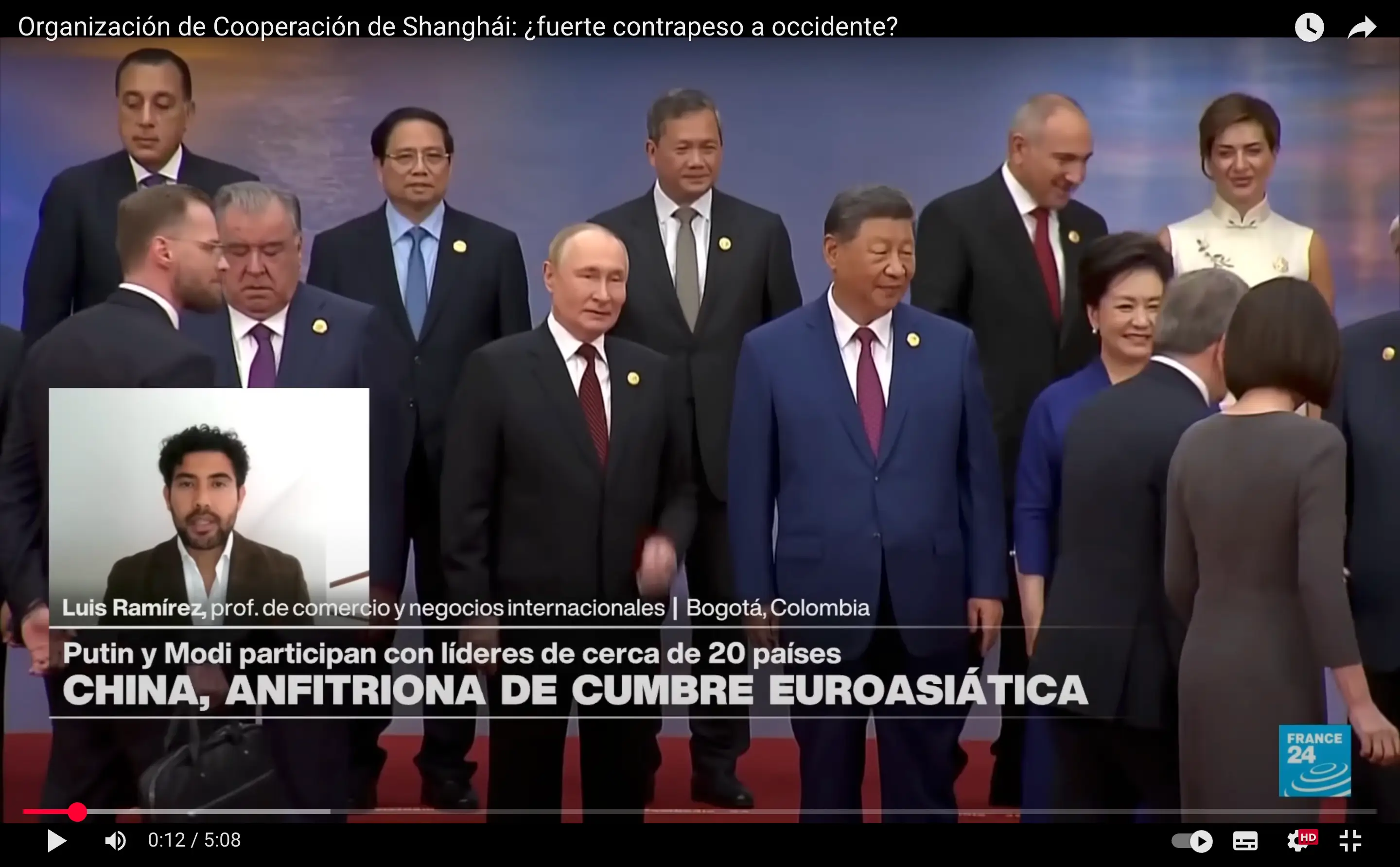
The recent meeting of G20 finance ministers and central bank governors ended without a joint communiqué. China objected to provisions addressing global imbalances, persistent trade surpluses, and non-market policies.
The Chair’s Statement, supported by the other members present, argues that countries with excessive external surpluses should remove distortions that constrain domestic consumption and create an overreliance on exports.
This disagreement may signal a new stage in global trade relations with China.
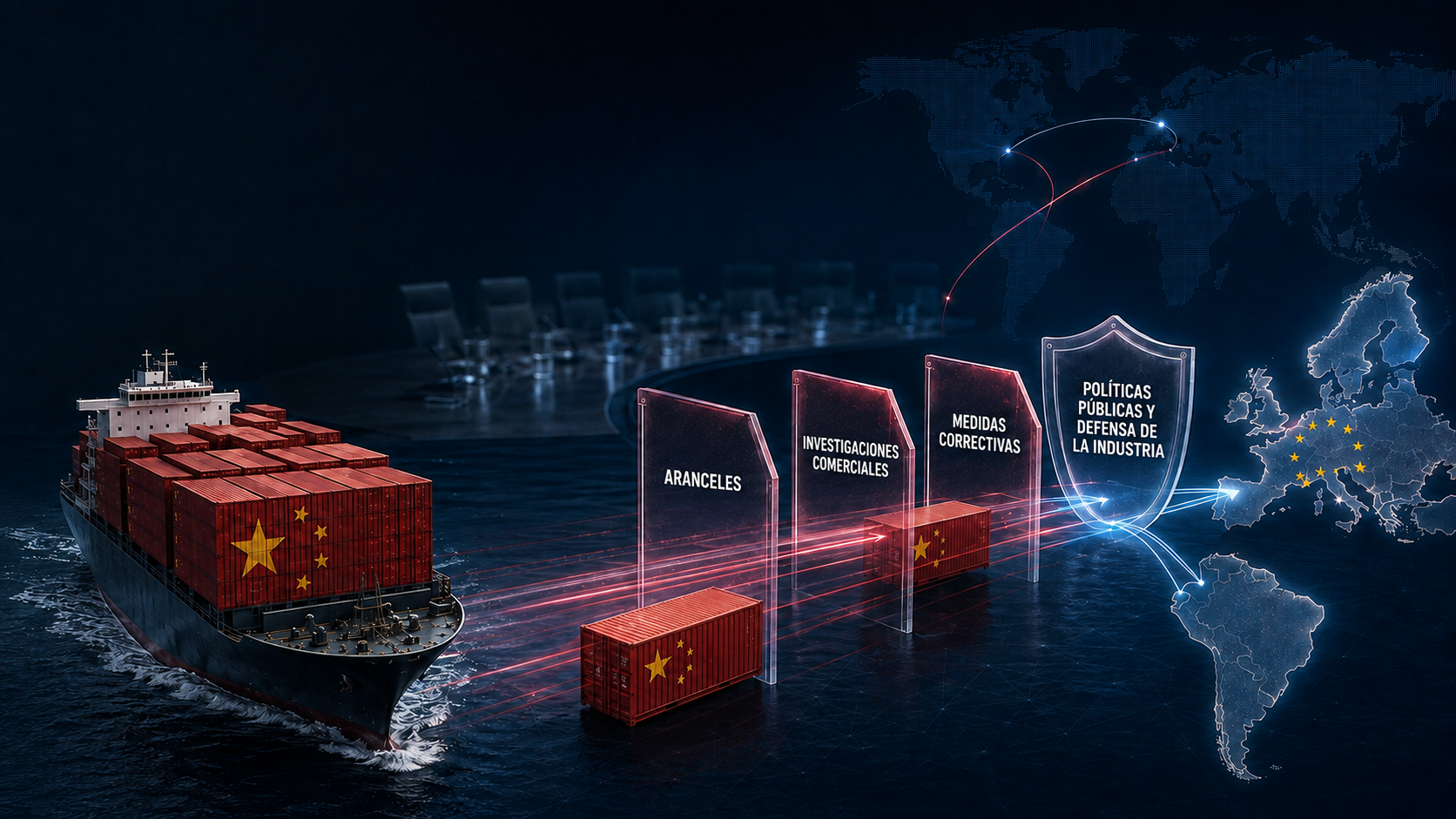
U.S. trade barriers are redirecting some Chinese exports toward Europe and Latin America. A greater supply of low-priced products could intensify competitive pressure on Colombian and other Latin American industries.
However, rising imports or falling prices do not automatically prove dumping. Antidumping or countervailing duties require objective evidence of dumping or specific subsidies, injury to the domestic industry, and a causal link between them.
We may nevertheless see more applications and investigations involving:
- Antidumping and countervailing duties.
- Safeguards against sudden import surges.
- Tariffs and measures addressing overcapacity.
- Forced-labor and human-rights restrictions.
- Stricter rules of origin and anti-circumvention controls.
- Supply-chain traceability and due-diligence requirements.
- Restrictions involving investment, government procurement, and strategic sectors.
This scenario will affect producers, importers, and exporters differently.
Domestic producers should monitor the effects of imports on prices, sales, market share, and profitability. Importers and industrial users must anticipate investigations, provisional duties, tariff changes, and possible supply disruptions. Latin American exporters may find opportunities to replace Chinese products in certain markets, while also facing stronger Chinese competition internationally.
Trade remedies can correct distortions, but they can also create them when imposed without sufficient economic and legal grounds. Companies should therefore be prepared to request, support, or oppose such measures, depending on their interests and the available evidence.
CID‑Pro Consulting specializes in trade remedies, antidumping proceedings, and international trade restrictions. We advise and represent producers, exporters, importers, and industrial users in assessing risks, developing strategies, and participating in domestic and international investigations.
We help companies anticipate change and defend their interests in an increasingly complex trading environment.
Source: “G20 Chair’s Statement”